
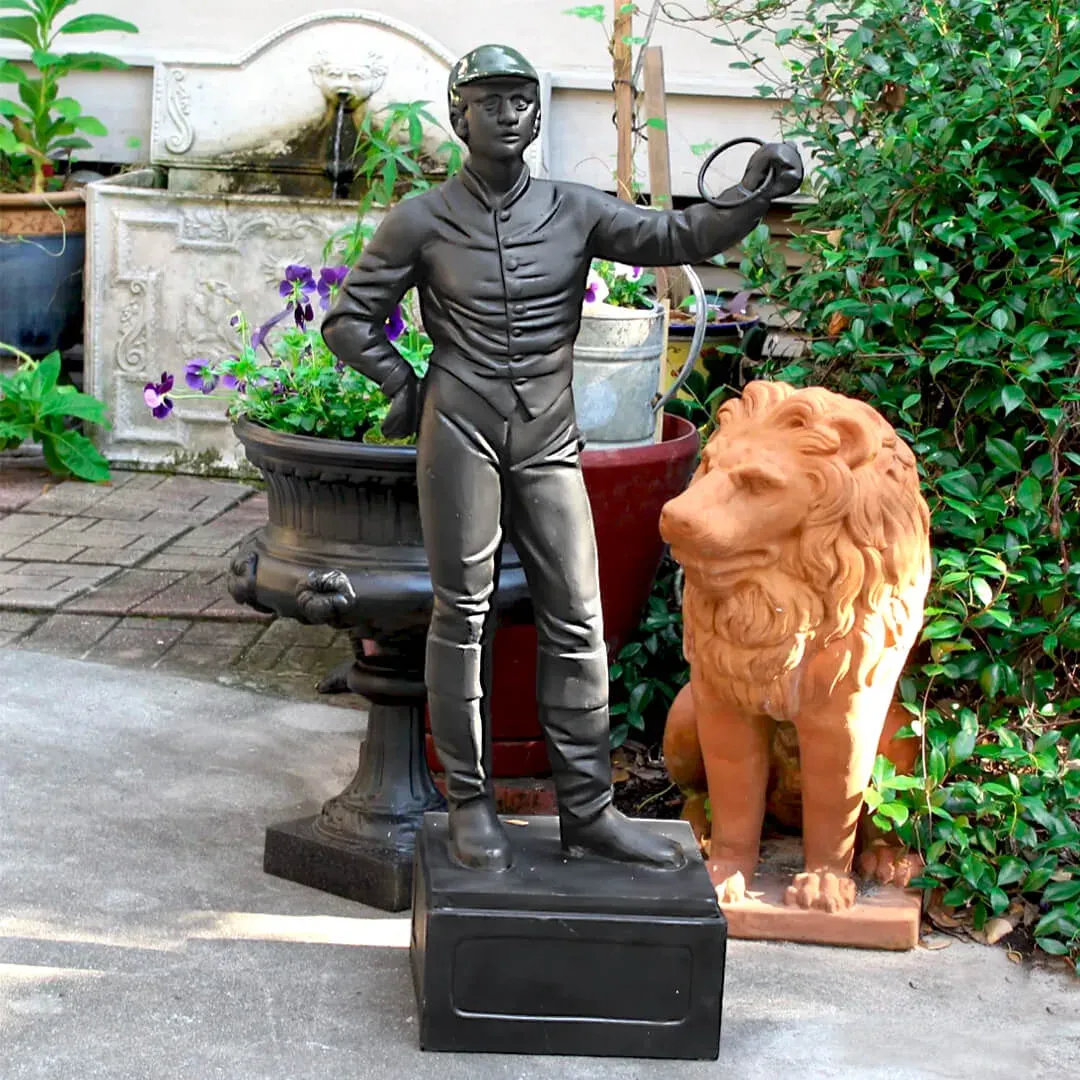
For decades, garden ornaments have served as subtle reflections of culture, history, and personal taste. Among these, the black lawn jockey stands out as one of the most intriguing and enduring symbols in outdoor décor. Originally created in the 18th and 19th centuries, this small yet striking figure has carried different meanings over time, from a utilitarian lawn marker to a collectible piece of art. Today, it continues to captivate antique enthusiasts and homeowners who value timeless charm and historical craftsmanship.
A Glimpse into Its Origins
The black lawn jockey traces its roots to early American history. Traditionally depicted as a small statue of a man holding a lantern or a hitching ring, it was once placed outside homes or stables to help guests identify entryways or to serve as a place to tie horses. While its early versions were purely functional, the figure evolved over time to reflect artistic detail and social context. Some versions symbolized hospitality, while others represented the service culture of a bygone era. Despite controversies surrounding its racial imagery, collectors view it as an artifact that preserves a part of America’s complex past.
Craftsmanship That Stands the Test of Time
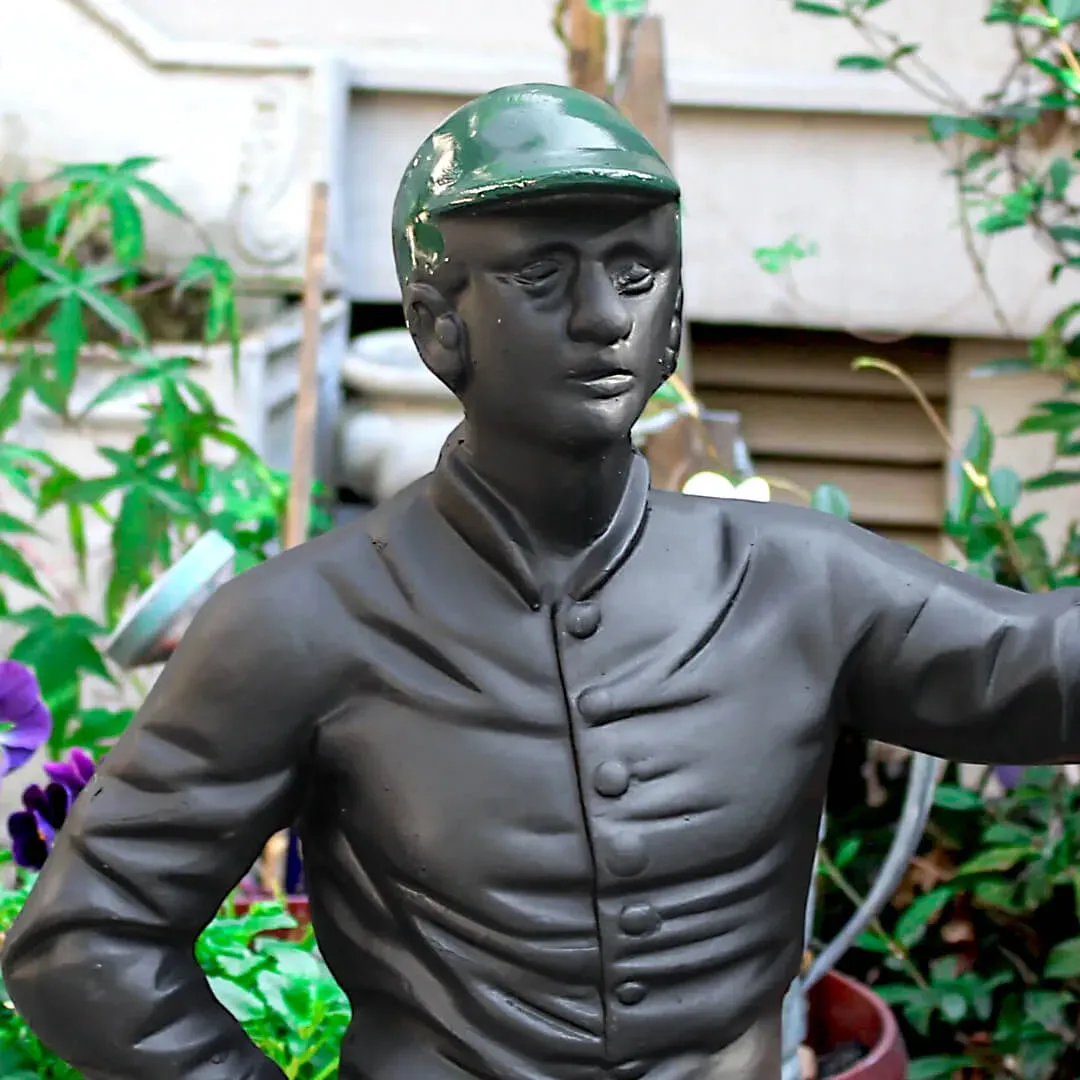
One of the reasons these statues remain prized collectibles is their remarkable craftsmanship. Most vintage lawn jockeys were made of cast iron, known for its durability and weight, making them resistant to weather and time. The intricate facial features, uniforms, and posture often reveal the artistic sensibilities of the period in which they were made. Many antique restorers today take pride in preserving these details, ensuring that each piece maintains its authenticity and historic charm. The black lawn jockey, in particular, is admired for its distinct finish and the skilled handiwork that has allowed it to survive generations.
Cultural Significance and Changing Perceptions
The meaning associated with lawn jockeys has changed considerably over the years. While some see them as relics of racial stereotypes, others interpret them as important reminders of cultural evolution. There are even narratives suggesting that during the Civil War and Underground Railroad era, the statues were used as coded symbols to help enslaved people find safe houses. Whether viewed as controversial or commemorative, the figure undeniably holds a unique place in American folklore. Collectors, historians, and artists often approach it not merely as décor but as an artifact that encourages dialogue about history and identity.
The Allure for Collectors
Collectors are drawn to these statues for several reasons, rarity, craftsmanship, and cultural resonance. Original cast-iron versions from the 19th or early 20th century are now hard to find, making them highly valuable among antique enthusiasts. Each piece tells a story, of the home it adorned, the era it came from, and the people who owned it. For many, owning such a statue is not about nostalgia alone but about preserving a slice of art history. The black lawn jockey represents a tangible link to an era when even garden décor was infused with artistic and social meaning.
Restoration and Preservation
Restoring an antique lawn jockey requires patience and expertise. Enthusiasts often sandblast rusted surfaces, apply protective coatings, and carefully repaint details to revive the statue’s original appearance. Some collectors prefer to maintain the patina of age, allowing natural wear to tell its own story. Preservation goes beyond aesthetics, it’s an act of respect for craftsmanship and the layered meanings behind each design. Whether restored to its former vibrancy or left in its weathered state, the figure continues to draw admiration for its enduring beauty.

A Symbol of Heritage and Taste
For homeowners, placing such a statue in a garden or at an entranceway reflects more than just style; it signifies appreciation for heritage. Unlike mass-produced décor, antique pieces like this exude individuality. Their sturdy build and historical aura blend effortlessly with both classic and contemporary outdoor settings. In many ways, the statue transcends its utilitarian origins and becomes a conversation piece, one that invites curiosity and contemplation.
Why It Endures as a Collector’s Favorite
The continued fascination with the black lawn jockey lies in its layered identity, part art, part history, and part conversation. Collectors and homeowners alike value it for its ability to merge rustic elegance with historical significance. It reminds us how even the smallest objects can carry stories that span centuries. Despite debates surrounding its origins, the figure remains a timeless emblem of craftsmanship and endurance, proving that meaningful décor is not only about beauty but also about the narratives it preserves.