
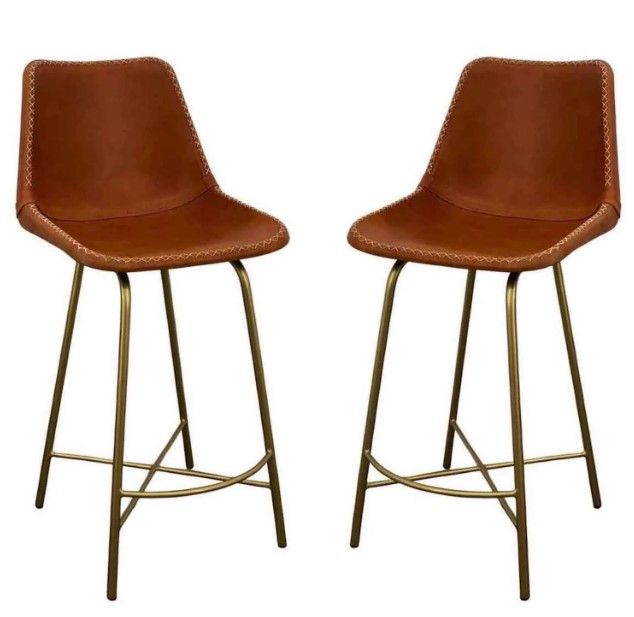
Walk into any well-designed kitchen or home bar, and there’s usually one detail that quietly pulls everything together: the seating. More specifically, western bar stools have a way of grounding a space while adding warmth, texture, and personality. They’re not flashy, and they don’t scream for attention, but somehow they make the whole room feel complete.
What makes them special is their ability to blend styles. Whether your home leans rustic, modern, industrial, or somewhere in between, western-inspired stools adapt effortlessly. They don’t try to dominate the room; they connect with it.
Why Seating Matters More Than You Think
Most people focus on big-ticket items like countertops, cabinets, or lighting. Seating often comes last. Western bar stools are perfect, especially around kitchen islands and bars. That makes them one of the most noticeable pieces in the room.
A good stool does more than offer a place to sit. It influences how people gather, how long they stay, and how comfortable they feel. Western-style stools, with their solid materials and timeless silhouettes, naturally encourage a relaxed, welcoming vibe.
The Farmhouse Feel: Warm, Lived-In, and Inviting
In farmhouse-style homes, everything is about comfort and authenticity. Think natural wood, soft finishes, and spaces that feel lived in rather than staged.
Western bar stools fit right into this setting. Their wood textures, leather accents, and sturdy frames echo the farmhouse philosophy: practical, honest, and built to last. Place them along a kitchen island, and suddenly the space feels less like a cooking zone and more like a gathering spot.
Industrial Spaces Need Warmth Too
Industrial interiors are stylish but can sometimes feel a bit stark. Concrete, metal, and exposed elements look great, but without the right balance, they can feel impersonal.
Their rugged finishes and handcrafted feel soften sharp edges and add contrast. A metal-framed stool with a wooden or leather seat works well in industrial spaces, making a room feel complete rather than unfinished.
One Piece, Multiple Styles
What makes western-inspired stools truly versatile is how easily they move between styles:
- In rustic spaces, they reinforce the natural, grounded feel
- In modern homes, they add texture and character
- In industrial layouts, they soften hard materials
- In eclectic rooms, they act as a visual anchor
Instead of clashing with your décor, they connect with it.
Usefulness
Design isn’t just about aesthetics; it’s about how a space is used. Western-style stools are built with comfort in mind. Solid footrests, supportive backs, and stable construction make them ideal for everyday moments.
Morning coffee turns into a relaxed routine. Guests naturally pull up a stool and stay longer. Kids perch while doing homework. These stools become part of daily life, not just decorative accents.
When furniture encourages people to sit, talk, and linger, it’s doing its job well.
Choosing the Right Stool for Your Space
To make the most of western-style seating, a few things matter:
- Height: Make sure it fits your counter or bar comfortably
- Material: Wood adds warmth, metal adds edge, mix if needed
- Finish: Slightly distressed finishes often blend better than overly polished ones
- Comfort: Backrests and footrests make a big difference over time
You don’t need matching perfection. In fact, slightly varied tones and textures often make the space feel more natural and lived in.
Final Thoughts
Great design doesn’t always come from bold furniture. Sometimes it comes from pieces that quietly hold everything together. Bar stools do exactly that. They bridge styles, soften spaces, and make rooms feel more inviting without trying too hard.
Whether your home has a farmhouse style, an industrial look, or a mix of both, the right stools can turn a simple counter into the heart of the room. And that’s when a house starts to feel like home.