
Lighting plays a defining role in shaping the atmosphere of an interior, and statement fixtures often become the focal point of a room. Among dramatic lighting styles, the gothic chandelier stands out for its bold presence, historical influence, and artistic detailing. Choosing the right one requires thoughtful consideration of space, proportions, design elements, and overall harmony with the surrounding décor to ensure it enhances rather than overwhelms the interior.
Understanding Gothic Design Characteristics
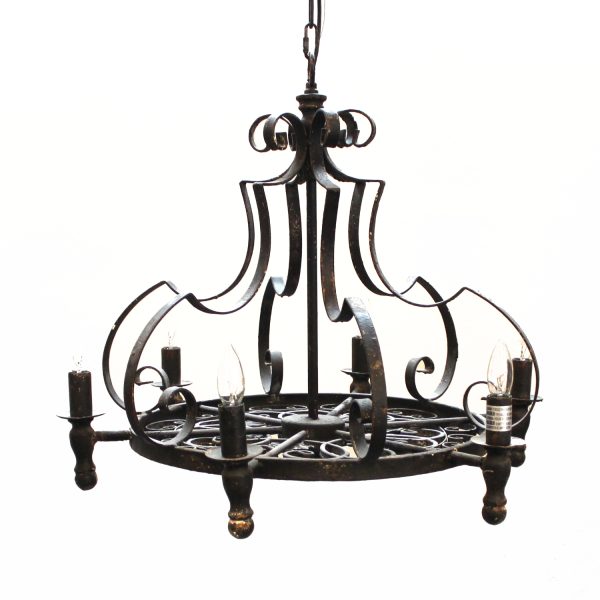
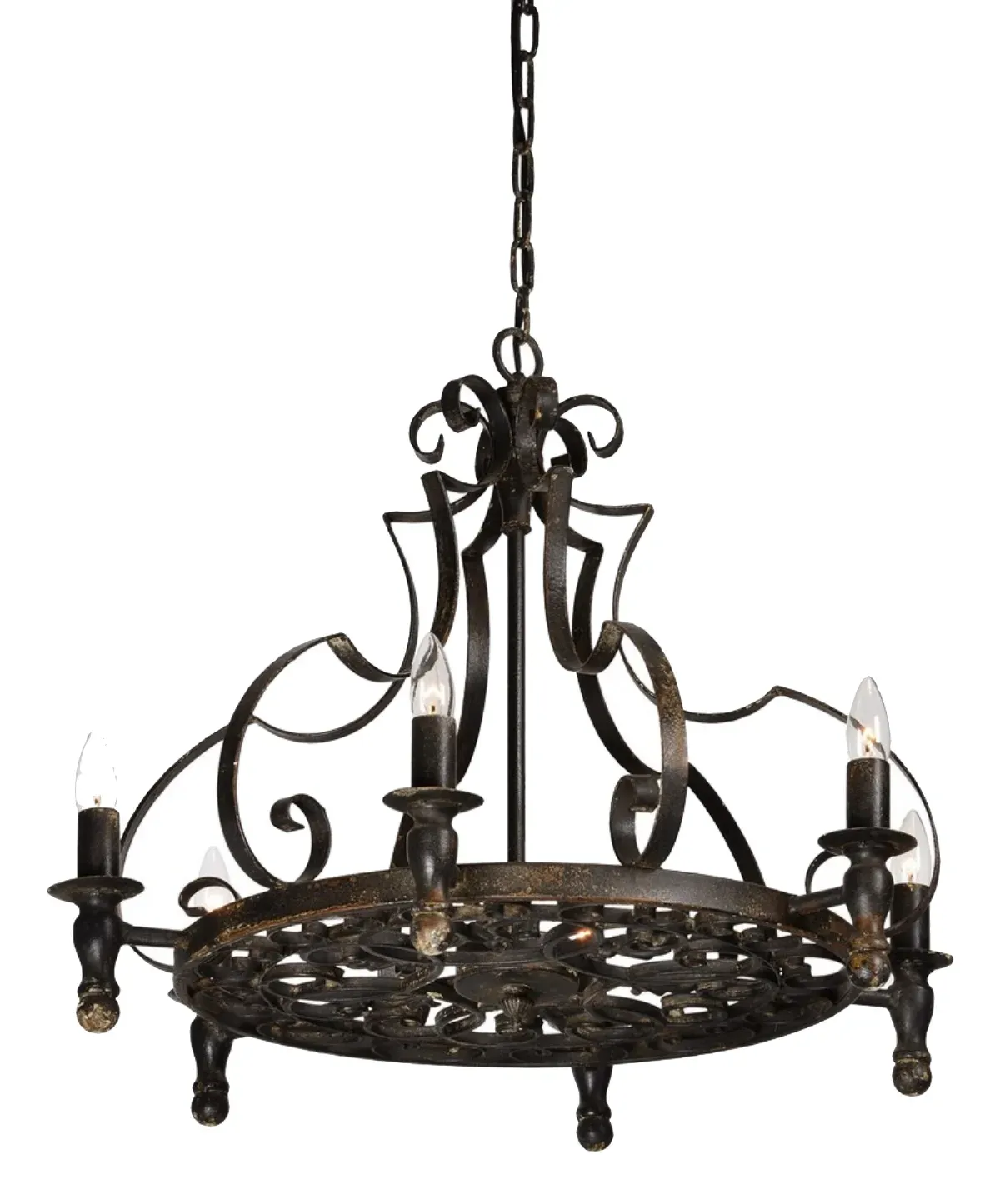
Gothic design draws inspiration from medieval architecture, characterized by dramatic forms, intricate detailing, and a sense of grandeur. Lighting pieces influenced by this style often feature dark finishes, ornate metalwork, pointed arches, candle-like bulbs, and symmetrical structures.
Understanding these core characteristics helps in identifying designs that remain true to the gothic aesthetic while still fitting into modern interiors. The goal is to strike a balance between historical influence and contemporary functionality.
Assessing Room Size and Ceiling Height
One of the most important factors when selecting a chandelier is scale. The size of the room and ceiling height determine how large or elaborate the fixture should be. In spacious rooms with high ceilings, larger chandeliers with multiple arms or tiers can create a dramatic impact without feeling excessive.
In smaller rooms or areas with standard ceiling heights, a more compact design is often more suitable. Choosing a fixture that is proportionate to the space ensures visual balance and prevents the room from feeling crowded or top-heavy.
Choosing the Right Placement
Placement affects both aesthetics and functionality. Chandeliers are commonly used in living rooms, dining areas, stairwells, or entryways where they can serve as visual anchors. In dining spaces, the chandelier should be centered above the table, while in living rooms it often aligns with seating arrangements.
Midway through the design process, homeowners often consider how a gothic chandelier interacts with existing furniture and architectural features. Proper placement enhances symmetry and ensures the fixture complements rather than competes with other design elements.

Material and Finish Considerations
Material choice influences durability, appearance, and maintenance. Gothic-inspired chandeliers are commonly crafted from metal, often with finishes such as matte black, bronze, antique silver, or distressed iron. These finishes contribute to the dramatic and timeless appeal associated with gothic design.
Some designs may include glass, crystal accents, or textured surfaces to soften the bold structure. Selecting materials that align with the room’s overall palette helps maintain cohesion throughout the space.
Lighting Output and Bulb Type
While aesthetics are important, functionality should not be overlooked. The number of bulbs, light direction, and brightness level affect how well the space is illuminated. Candle-style bulbs often suit gothic designs, providing warm and atmospheric lighting.
Consider whether the chandelier will serve as the primary light source or as accent lighting. Dimmable options can add flexibility, allowing the ambiance to shift between dramatic and subtle depending on the occasion.
Compatibility With Interior Style
Although rooted in historical design, gothic lighting can blend seamlessly with various interior styles. In traditional spaces, it reinforces classic elegance, while in modern or minimalist interiors, it creates contrast and visual interest.
When paired thoughtfully, gothic elements can complement industrial, vintage, eclectic, or even contemporary décor. The key lies in moderation and thoughtful integration rather than overuse.
Maintenance and Practicality
Maintenance requirements vary depending on size, material, and design complexity. Intricate detailing may require more frequent cleaning to prevent dust buildup. Accessibility is also important, especially for larger chandeliers installed at height.
Choosing a design that balances visual impact with practical upkeep ensures long-term satisfaction and ease of maintenance.
Creating Visual Balance
A chandelier should enhance the room’s overall composition rather than dominate it entirely. Coordinating the fixture with wall colors, furniture scale, and additional lighting sources helps create a cohesive look.
Layered lighting, combining chandeliers with wall lights or floor lamps, adds depth and functionality while preserving the dramatic appeal of the main fixture.
Long-Term Aesthetic Value
Statement lighting is often a long-term investment. Selecting a design that aligns with personal taste while remaining versatile ensures it continues to feel relevant even as décor preferences evolve.
Timeless gothic elements tend to age well, making them suitable for those who appreciate enduring design rather than short-lived trends.
Conclusion
Choosing the right lighting fixture involves balancing style, scale, function, and harmony with the surrounding space. By considering room dimensions, placement, materials, and lighting needs, homeowners can make informed decisions that enhance both aesthetics and comfort. A thoughtfully selected gothic chandelier can transform a space into one that feels dramatic, refined, and visually compelling, offering lasting impact through its unique blend of history and design.